Emotional dependence: when love becomes a vital need
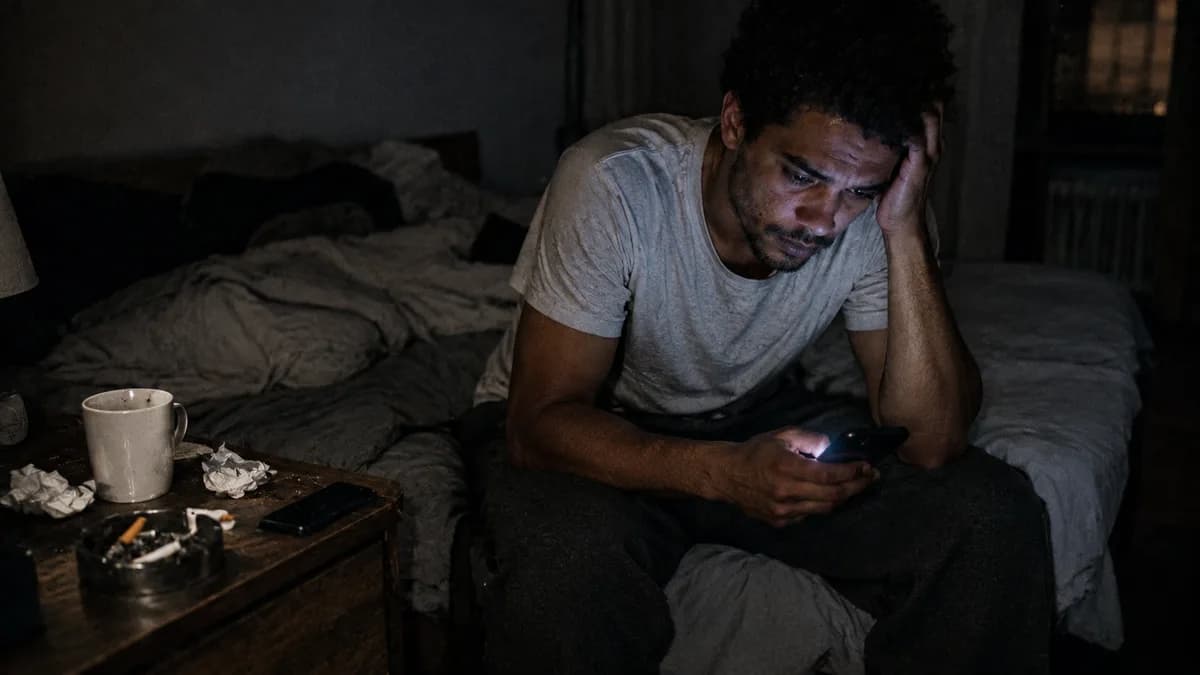
Watching for a message, rereading a conversation ten times, apologising for things you did not do, accepting what you would accept from no one else, rather than risk the other person leaving. When love comes with a constant fear of losing the relationship, we often speak of emotional dependence. The word "dependence" is not chosen by chance: many people describe a craving, an obsession and a loss of control that echo what people with an addiction go through.
Is emotional dependence a real addiction?
It is important to be precise. Emotional dependence is not an official diagnosis in the international medical classifications (ICD, DSM). It is not among the recognised addictions such as gambling disorder. Professionals tend to approach it as an attachment pattern that has become rigid, often tied to the person's history, self-esteem and early experiences.
Yet when you look closely at what people go through, you find familiar mechanisms from addiction medicine:
- an overwhelming urge for the other person's presence, hard to control, close to craving;
- tolerance: more and more proof of love, messages and reassurance are needed to get the same relief;
- a sense of lack on separation or distance: anxiety, insomnia, restlessness, sometimes dark thoughts;
- continuing the relationship despite the damage to self-esteem, work, friendships and health;
- time and energy devoted to the relationship at the expense of everything else.
Speaking of a "resemblance" to addiction is therefore not a misuse of the word, as long as it is not turned into a medical label.
What it looks like day to day
Signs vary from person to person, but some come up often:
- a fear of abandonment out of proportion, triggered by the slightest silence, delay or disagreement;
- a need for constant reassurance ("do you still love me?") that never lasts long;
- difficulty making a decision alone, or enjoying a moment without the other person;
- the habit of adapting: tastes, opinions, schedule, friends, until you no longer know what you really want;
- jealousy or monitoring (phone, social media) that wears you out;
- the conviction that you cannot cope alone, or that you are worth nothing without the relationship;
- relationships that look alike, with partners who are distant, unstable or controlling.
These behaviours are not character flaws. Most often they are strategies to protect yourself from an old pain.
Where does it come from?
There is never a single cause. Several leads come up among professionals:
- attachment history: an unstable, unpredictable, cold or intrusive bond with a parent, which teaches very early that love is uncertain and has to be earned;
- break-ups, bereavements or abandonments that could not be worked through;
- low self-esteem, which makes you look outside for the worth you do not recognise in yourself;
- anxiety or depression, which increase the need for reassurance;
- violence or coercive control in a relationship, which install fear and dependence.
Our article Addiction and attachment trauma explains how these wounds of the bond sometimes feed addictions, with or without a substance.
Emotional dependence, coercive control and violence: not the same thing
Loving intensely does not mean being under someone's control. But emotional dependence can make a person more vulnerable to a partner who controls, belittles or isolates. If you are afraid of your partner, if your loved ones are worried, if you are prevented from seeing people or threatened, this is no longer only a question of attachment.
How to get out of it: practical steps
You do not "cure" emotional dependence through willpower alone, but you can gradually loosen the grip.
- Name what is happening. Becoming aware of the mechanism, without judging yourself, is often the first relief.
- Put life back outside the relationship: activities, friendships, time alone. It is not about cutting yourself off from the other person, but about not entrusting everything to them.
- Observe your triggers: when does the anxiety rise? What thought comes with it? What do you feel like doing at that moment?
- Learn to tolerate waiting: anxiety rises, peaks, then falls. Breathing, moving, talking to someone else helps you ride the wave without sending ten messages.
- Work on self-esteem: notice your strengths, set your limits, learn to say no.
- Get support. Psychotherapy (attachment-based, cognitive-behavioural or another approach depending on needs) helps you understand where the pattern comes from and build other ways of relating.
If emotional dependence comes with other use (alcohol, cannabis, shopping, screens) or with anxiety or depressive disorders, support from an addiction specialist allows everything to be addressed together. The associated mental health disorders also deserve care. How change works, with its ups and downs, is described in the article on the stages of change.
Further reading
- Addiction and attachment trauma: why the bond matters in care
- Sex and pornography addiction: how to know if it's a problem
- Craving: understanding the irresistible urge
- Types of addiction: an overview
Frequently asked questions about emotional dependence
What is the difference between intense love and emotional dependence?
In a healthy relationship, even an intense one, each person keeps their autonomy, friends and plans, and temporary separation remains bearable. In emotional dependence, the other person's absence triggers overwhelming anxiety, and you give up on yourself to avoid abandonment.
Can emotional dependence affect men as well as women?
Yes. It affects all genders and ages, even if it sometimes shows up differently: withdrawal, anger or control in some, submission or self-sacrifice in others. It depends not on gender but on each person's history and experiences.
Is it possible to recover from emotional dependence?
You can get out of it or, at least, free yourself a great deal. It is a learned pattern, so it can be changed. The work takes time, with progress and possible setbacks, and it is more effective when supported by a professional.
When should I seek help?
As soon as the relationship makes you suffer repeatedly, you feel you are losing your bearings, anxiety takes over or other substance use appears. You do not need to be at the end of your rope to ask for help.
If you recognise yourself in these lines, you can book an appointment to talk about it, without judgment.