Synthetic opioids (fentanyl, nitazenes): a growing risk in France
What fentanyl and nitazenes are
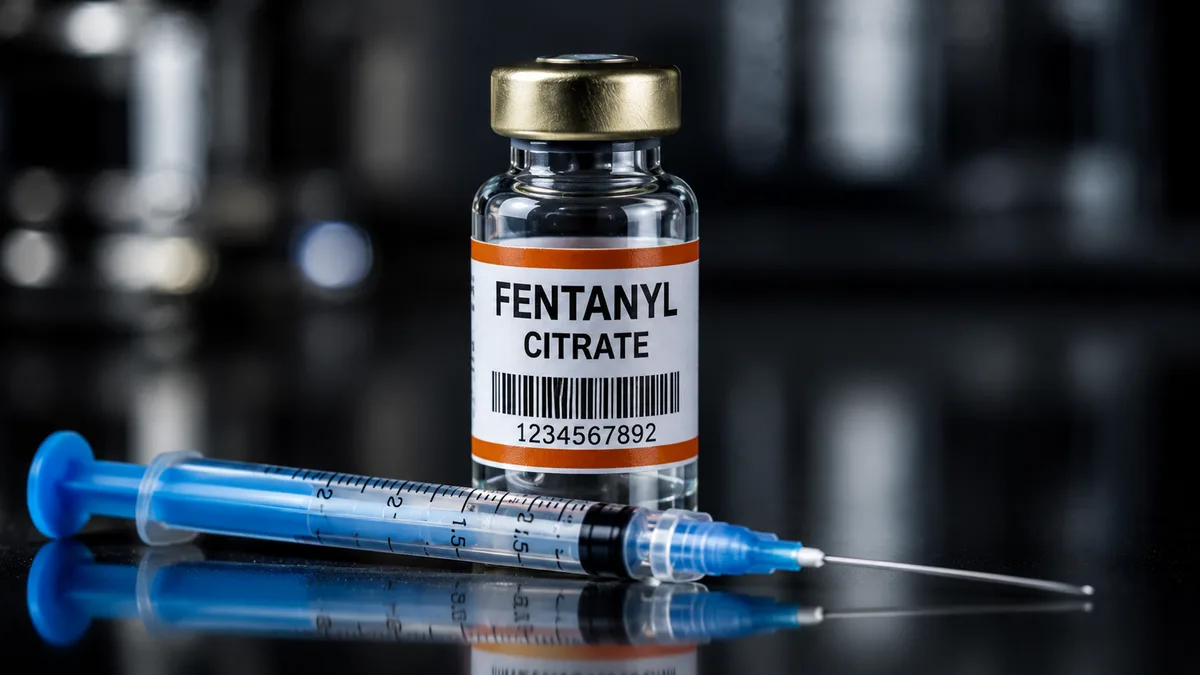
Fentanyl and nitazenes are synthetic opioids, made in a laboratory rather than extracted from the poppy like heroin or morphine. Their potency is far higher than that of classic opioids — fentanyl in particular is recognized, in the scientific literature and in health surveillance reports, as several dozen times more potent than morphine at an equivalent dose.
This extreme potency largely explains their growing presence in trafficking: a very small volume of product is enough to produce an effect equal to a much larger dose of a classic opioid, which cuts costs and makes transport easier for distribution networks. This phenomenon has been documented in recent years by the OFDT (the French drugs and addictions observatory) and the European Drugs Agency (EUDA), with particular vigilance on Europe, so far less affected than North America but showing signs of spread.
The specific risk: unknowing contamination
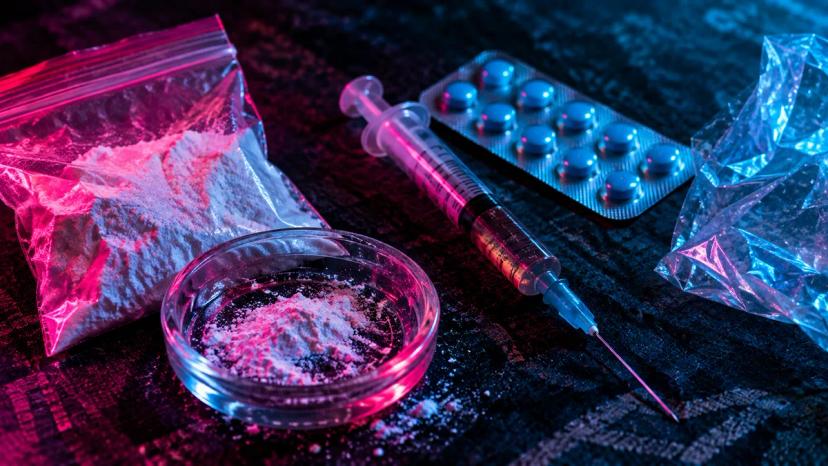
What sets this subject apart from a classic dependence on a known substance — such as dependence on prescribed opioid painkillers — is the risk of involuntary contamination. Fentanyl and nitazenes are sometimes found mixed into other substances — heroin, cocaine, counterfeit tablets sold as medicines — without the person using them being told. A person can thus take a dose of an extremely potent synthetic opioid believing they are taking a completely different product, or a "classic" dose of heroin.
Point of caution. The main risk here is not only linked to the voluntary use of these products, but to their unreported presence in other substances. This is what makes vigilance necessary even for people used to other drugs.
Who is affected
The risk does not only concern people who knowingly use illicit opioids. Several profiles may be exposed, sometimes without knowing it:
- people who use heroin, whose product may be cut with or replaced by a more potent synthetic opioid;
- people who buy tablets outside the pharmaceutical system — online or on the street — believing they are getting a known painkiller or anxiolytic, when it may be a counterfeit containing a synthetic opioid;
- people whose prescription of opioid painkillers has been stopped or reduced, and who turn to the parallel market to avoid withdrawal;
- more rarely, users of other drugs (stimulants in particular) exposed to accidental contamination.
This variety of situations is what justifies broad information, beyond the audiences usually targeted by overdose prevention.
Why dependence sets in quickly and withdrawal is severe
Tolerance to synthetic opioids builds up fast, which leads to ever closer doses or rising amounts. The resulting opioid withdrawal syndrome is intense — muscle pain, digestive problems, marked anxiety, insomnia — and is one of the main reasons why stopping without medical support so often fails.
One point deserves particular attention: after a period of forced abstinence (hospitalization, incarceration, an attempt to quit), acquired tolerance drops sharply. Going back to the previous usual dose can then cause a serious overdose, precisely because the body is no longer prepared for that amount — a documented phenomenon responsible for a significant number of overdoses at the point of relapse.
Warning signs of an overdose
An opioid overdose shows as markedly slowed breathing, loss of consciousness, and bluish lips or nails caused by lack of oxygen. It is an immediate life-threatening emergency: call 15 or 112 (in France) without waiting if you see these signs, even if in doubt. Never leave the person alone, and place them in the recovery position if they are still breathing but unconscious.
Practical harm reduction
Several practical harm-reduction measures exist in France. CAARUD centers (reception and support centers for harm reduction for drug users) offer, depending on the facility, product-testing services that can identify some cutting substances before use — a step to take on site, with trained staff, never alone. Naloxone, a medicine able to temporarily reverse the effects of an opioid overdose, is available in France to those concerned and their relatives, by prescription or in some specialized facilities — how to give it must be learned from a professional, never improvised.
The simplest and most effective principle remains never to use alone: the presence of another person, even a non-user, can make the difference between an overdose treated in time and a fatal outcome.
Useful to know. CAARUD centers and harm-reduction services do not judge: their role is to reduce immediate dangers, regardless of any decision to stop using.
How an addiction specialist can help
Support for withdrawal from synthetic opioids must always take place in a medical setting, never alone or abruptly, given the intensity of the withdrawal syndrome and the risk of going back to a dose that has become dangerous. An addiction specialist can refer you to suitable harm-reduction services, alongside medical follow-up of the withdrawal itself.
There are also recognized treatments for opioid dependence, called opioid agonist treatments (methadone, buprenorphine). Prescribed and monitored by a doctor, they stabilize the person, remove withdrawal and greatly reduce the risk of overdose, without reproducing the effects sought in illicit use. They are not "one drug replaced by another", contrary to a stubborn myth: they are medicines whose effectiveness is widely documented, and which allow many people to rebuild a stable life. Choosing the treatment, starting it and monitoring it are exclusively a doctor's responsibility.
Frequently asked questions about synthetic opioids
How can you tell if a product is cut?
There is no reliable way to tell by eye. Only the testing services offered by some CAARUD centers can identify certain cutting substances — a step to take on site, never alone.
What is naloxone?
It is a medicine that can temporarily reverse the effects of an opioid overdose until help arrives. Its use must be learned from a health professional or a specialized facility — this article does not describe how to give it.
Is dependence on synthetic opioids treated like other opioids?
The general principles of medical withdrawal support are similar, but the intensity of the withdrawal syndrome and the risk of going back to a dangerous dose call for extra vigilance and systematic medical supervision.
What should you do if you suspect an overdose?
Call 15 or 112 immediately, never leave the person alone, place them in the recovery position if they are still breathing but unconscious, and tell the emergency services what product you suspect, if you know.
This article is for general information and does not replace individual medical advice. Emergency (France): 15 or 112 · Drogues Info Service: 0 800 23 13 13 (anonymous, free call).