Smoking
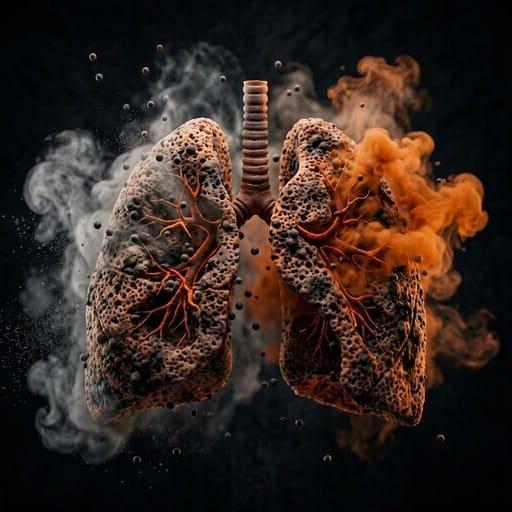
Smoking is not simply a habit. It is a dependence that is at once physical, psychological and behavioural.
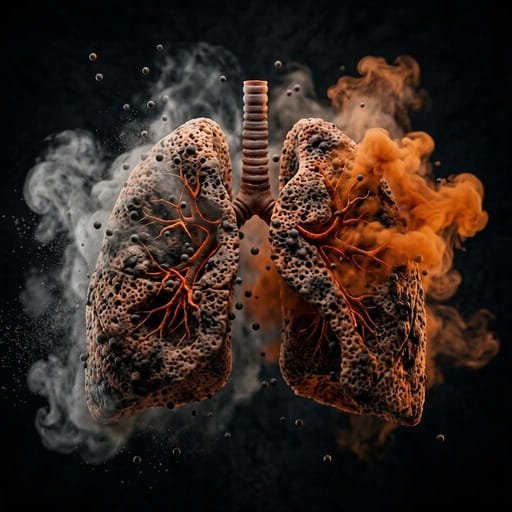
You have probably already thought about quitting smoking. More than once. And yet, despite the motivation, despite the resolutions… the cigarette is still there.
Smoking is not simply a habit. It is a dependence that is at once physical, psychological and behavioural.
Nicotine acts quickly on the brain. It stimulates the reward circuit, providing a feeling of calm, focus or temporary relief from stress. But this effect is brief. Very brief. Then comes withdrawal. Irritability. Tension. Difficulty concentrating. And the brain demands its dose again. Over time, cigarettes no longer really bring pleasure. They mainly serve to avoid the discomfort of withdrawal.
Many of the smokers I support describe:
- Persistent fatigue
- Getting out of breath more quickly
- Recurring guilt
- The feeling of no longer being entirely free
- Dependence at certain key moments: coffee, breaks, stress, the end of the day
But beyond nicotine, there is often something else…
Tobacco becomes:
- An emotional regulator
- A stress-management tool
- A break in a busy day
- A way of coping with anxiety or loneliness
This is precisely why quitting alone is so difficult.
Because you are not just giving up a substance. You are giving up a coping strategy.
And without a solid alternative, the brain goes back to what it knows.
Asking for help does not mean lacking willpower. It means understanding that dependence is a complex mechanism that deserves appropriate support.
Addiction support makes it possible to:
- Identify your personal triggers
- Understand the real role cigarettes play in your life
- Put concrete strategies in place to manage cravings
- Work on the underlying emotional mechanisms
- Secure the quitting process to prevent relapse
Quitting for good is possible. But it is rarely effective through sheer willpower alone.
If you feel today that tobacco is taking more than it gives you, this may be the right time to make a supported change.
I invite you to book a first consultation. This confidential conversation will allow us to assess your situation and build a plan suited to your pace and your needs. Quitting smoking is not only a matter of health. It is a matter of freedom.
The tools that improve your chances
Quitting through willpower alone rarely works. Your chances improve when you combine several levers:
- Nicotine replacement therapy (patches, gum, lozenges, inhalers), at a suitable dose and sometimes combined. The French National Authority for Health (HAS) ranks them among first-line treatments.
- Prescription medication (varenicline, bupropion) when your doctor considers it suitable.
- Behavioural support: identifying your triggers, preparing replacement actions, working on motivation and relapse prevention.
- Outside support: Tabac info service (3989) and the e-Tabac app offer free follow-up (French services).
The first weeks: what to expect
Physical withdrawal shows up as irritability, difficulty concentrating, sleep problems and increased appetite. These symptoms are strongest in the first days, then ease over a few weeks.
A craving to smoke usually lasts a few minutes. Having a plan for those minutes makes all the difference: breathe slowly, drink water, move, call someone, change place. A slight weight gain is possible, but it usually stays moderate and can be managed. One “extra” cigarette is not a failure: several attempts are often needed before quitting for good. If you are on medication, tell your doctor: stopping smoking can change how some medicines work.
Further reading
- Nicotine dependence: understanding the mechanism beyond tobacco
- Craving: understanding the irresistible urge, and how to get through it
- The stages of change (Prochaska and DiClemente): why deciding isn't enough
- Dedicated page: Addiction support
- Quiz: Tobacco test: how dependent are you on nicotine?
- Quiz: Nicotine, pouches, vaping: what do we really know?
How long do cravings to smoke last?
A craving usually lasts a few minutes. They are frequent in the first days, then become less frequent, but can return in situations linked to smoking (coffee, stress, evenings out).
Are nicotine replacements dangerous?
They provide nicotine without the tar, carbon monoxide and other combustion products: they are far less harmful than cigarettes. Ask for medical advice if you are pregnant, have cardiovascular disease or are on other treatment.
Will I necessarily gain weight?
No. A slight weight gain is common when quitting (appetite, restored sense of taste), but it is usually moderate. It can be prevented and is no reason to keep smoking.
I have failed several times: is it impossible?
No. Several attempts are common before quitting for good. Each one teaches you something: your triggers, what helped, what to adjust. That is exactly what follow-up works on.
To talk about it in complete confidentiality, you can book an appointment.
You are not alone. Let's take the first step together.
Fabrice Plantier supports you with care and without judgement, towards lasting change. A first appointment is all it takes to begin.