Trading and crypto addiction: when risk-taking takes over
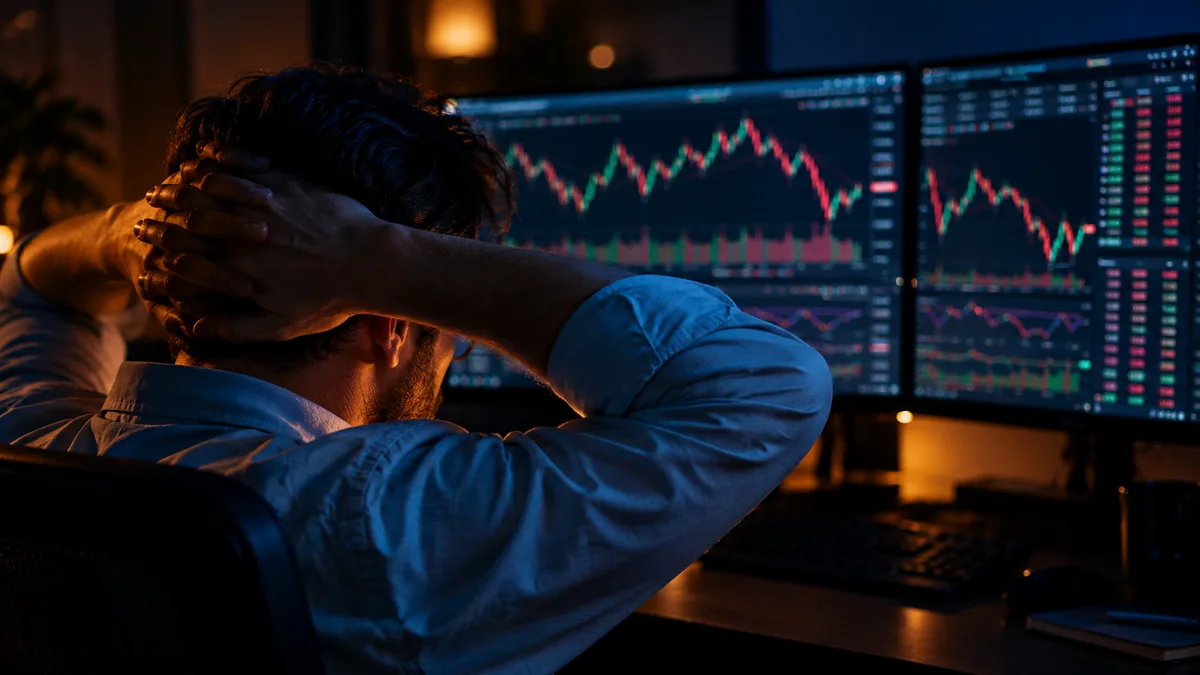
An app opened as soon as you wake, a chart moving all night, an urge to "win it back" after a bad day. For many, trading and cryptocurrencies start as an investment project or simple curiosity. For some, the act changes nature: you are no longer trying to place your money, you are chasing the adrenaline, and you cannot stop. This slide is neither rare nor shameful, and it can be recognised by specific signs.
Investing, speculating, gambling: where is the line?
Investing implies a time horizon, a strategy and a level of risk accepted in advance. Speculating over the very short term, with leveraged products, options or highly volatile cryptocurrencies, looks more like a bet: the result depends heavily on chance and speed, and losses can exceed what you had planned.
There is no specific diagnosis of "trading addiction". But specialists observe that, in some people, the practice works like gambling: the same loss of control as in online casinos or sports betting can appear. Gambling disorder itself is recognised and described in medical classifications.
Financial authorities, including the AMF in France, regularly warn against leveraged speculative products and cryptocurrency offers promising quick gains, often pushed by influencers or fake platforms.
Why this format hooks so strongly
Several features make it fertile ground for loss of control:
- Permanent access: crypto markets open 24/7, an app in your pocket, no constraint of hours or place.
- Immediate feedback: gain or loss in seconds, which feeds excitement and a sense of mastery.
- Unpredictable rewards: you win sometimes, without knowing when. This mechanism, well known in gambling, is particularly powerful at anchoring a habit.
- The illusion of skill: charts, indicators, analyses and forums give the feeling that you can "read" the market. A few wins are credited to talent, losses to bad luck.
- A rewarding social setting: screenshots of gains on social networks, communities, "mentors" promising financial freedom. Losses are not shown.
- Dematerialised money: numbers on a screen weigh less than banknotes, and it becomes easier to stake more.
This mechanism resembles craving: an urge builds, an action, brief relief, then tension returns.
Signs that should raise concern
They do not allow a diagnosis, but they deserve to be taken seriously:
- checking prices constantly, thinking about it all the time, even at night;
- investing or trading more and more, or taking increasingly risky positions;
- wanting to "win it back" after a loss by raising the stake;
- dipping into savings, borrowing, using credit or household money;
- hiding or playing down losses from loved ones;
- feeling irritable, anxious or empty when unable to trade;
- neglecting sleep, work, family;
- having tried to cut down or stop without success.
The need to "win it back" is one of the most telling signals: it means you are no longer trading according to a strategy, but to wipe out a loss and regain a feeling.
What keeps the cycle going
When losses accumulate, three common reflexes make things worse:
- Chasing losses: staking more to compensate, which raises risk instead of lowering it.
- Denial: telling yourself you will soon "catch up", that this is a bad patch.
- Isolation: shame prevents you from talking, while silence feeds the problem.
Often, speculation is also a way of managing emotions: numbing stress, escaping boredom, feeling alive, making up for low self-esteem. Our article on addiction and mental health disorders explains why anxiety, depression or impulsivity often go with these behaviours.
Taking back control: practical ideas
No method is universal, but a few markers help:
- Create distance: delete the apps, turn off notifications, disable price alerts.
- Limit access to money: ask a trusted person to help manage accounts, remove cards and access to platforms, set transfer limits.
- Do not try to win it back: accepting a loss is more protective than chasing it.
- Talk: to a loved one, a doctor, a professional. Shame recedes once it is spoken.
- Get support: a consultation with an addiction specialist allows you to take stock, including of debts and available support.
- Accept the stages: change is not linear. Our markers on the stages of change help explain why setbacks are part of the path.
For gambling proper, voluntary self-exclusion with France's national gambling authority (ANJ) is an existing tool, but it does not cover all financial products or cryptocurrencies: support and concrete measures on your accounts remain essential.
Further reading
- Online casino: why this format is so addictive
- Sports betting addiction: which signs should raise concern?
- Behavioural addictions: an overview
- Our resources and useful numbers
Frequently asked questions about trading, crypto and addiction
Can you be addicted to trading or crypto?
There is no specific diagnosis of trading addiction, but speculation can work like gambling in some people, with loss of control, chasing losses and consequences for personal and financial life. Gambling disorder itself is recognised and can be treated.
How do I know whether I am trading or gambling?
A few questions help: do you follow a strategy set in advance or act on impulse? Do you try to "win it back" after a loss? Can you stop at the limit you planned? Do you hide your losses? Several worrying answers are worth discussing with a professional.
What should I do if I have already lost a lot of money?
Do not try to win it back by taking more risk. Talk to someone you trust, contact Joueurs Info Service on 09 74 75 13 13 (France), and reach out to a professional. There are ways to take stock of debts, taking your situation into account.
How can I help a loved one who speculates excessively?
Talk to them calmly, without accusation, describing what you see and your concern. Avoid paying off their debts without talking to a professional, as this can keep the problem going. Offer to go with them to a consultation, and protect your own finances too.
If speculation takes up too much space, or you are worried about someone close to you, you can book an appointment to talk about it, without judgment.